
What Is Freebase Cocaine? Effects and Health Risks
What freebase cocaine is, how it differs from powder cocaine and crack, why smoking it produces a faster and more intense high, and the respiratory and cardiovascular risks involved.
Educational guides on how specific drugs affect the body and brain, and what to know about risk and detection.
What freebase cocaine is, how it differs from powder cocaine and crack, why smoking it produces a faster and more intense high, and the respiratory and cardiovascular risks involved.
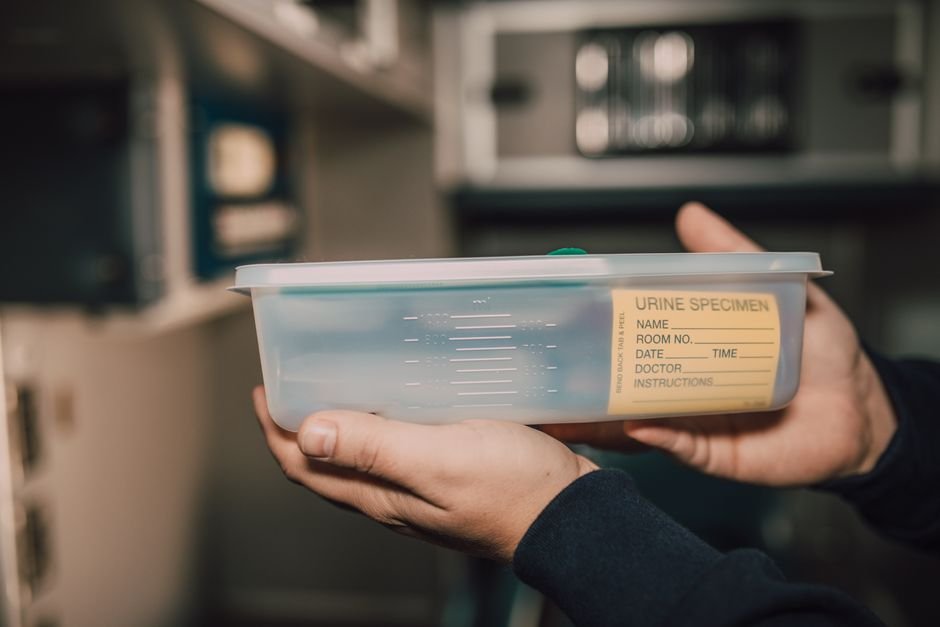
How long cocaine and its main metabolite are detectable in urine, blood, saliva, and hair, how the body processes cocaine, and what factors change the detection window.

Why fentanyl is increasingly found in cocaine, how it usually gets there, why mixing a stimulant and an opioid is especially dangerous, and how to reduce overdose risk.

What cocaine-induced psychosis is, its most common symptoms like paranoia and hallucinations, what causes it, how long it typically lasts, and what recovery and treatment involve.

How methadone and heroin compare on legal status, onset, duration, and overdose risk, and why methadone is used as a medically supervised treatment for heroin addiction.
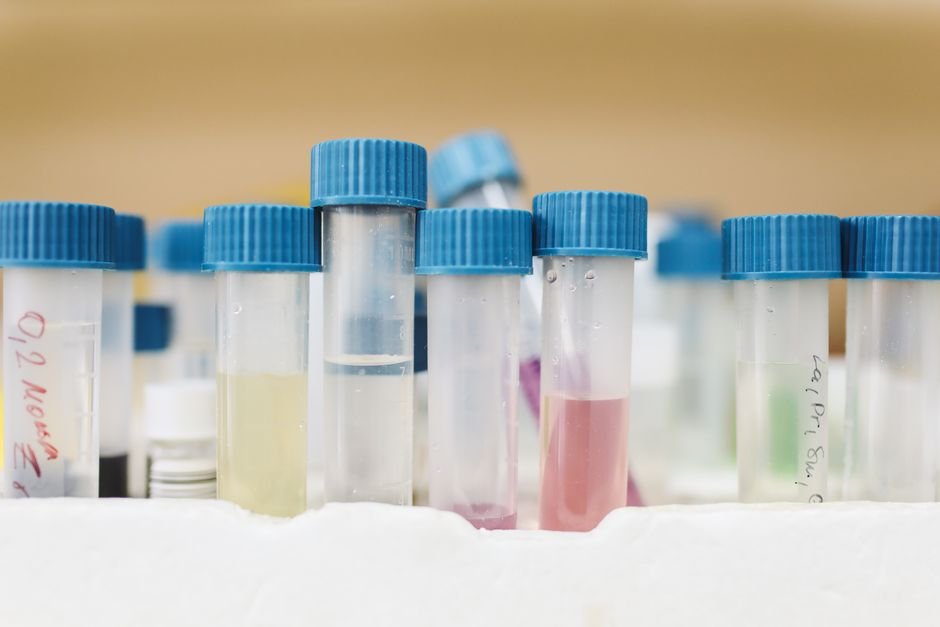
How long heroin and its metabolites are detectable in urine, blood, saliva, and hair, how the body processes heroin, and what factors change the detection window.
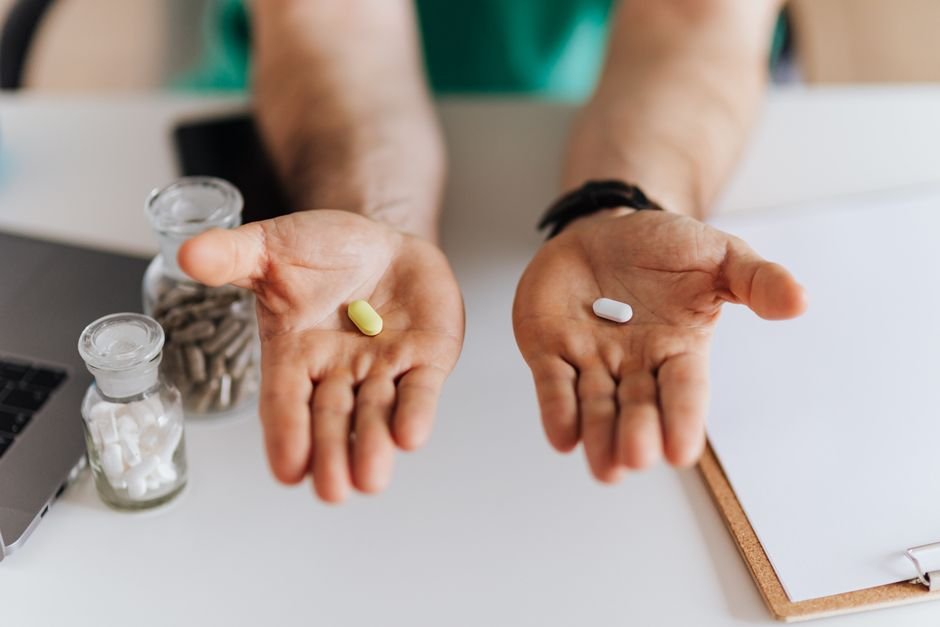
How heroin and fentanyl actually compare: origin, potency, onset and duration, why fentanyl is increasingly mixed into the heroin supply, and what that means for overdose risk.

The real timeline of a heroin high, from onset to comedown, what factors change how long it lasts, and why fentanyl contamination has made the answer far riskier than it used to be.
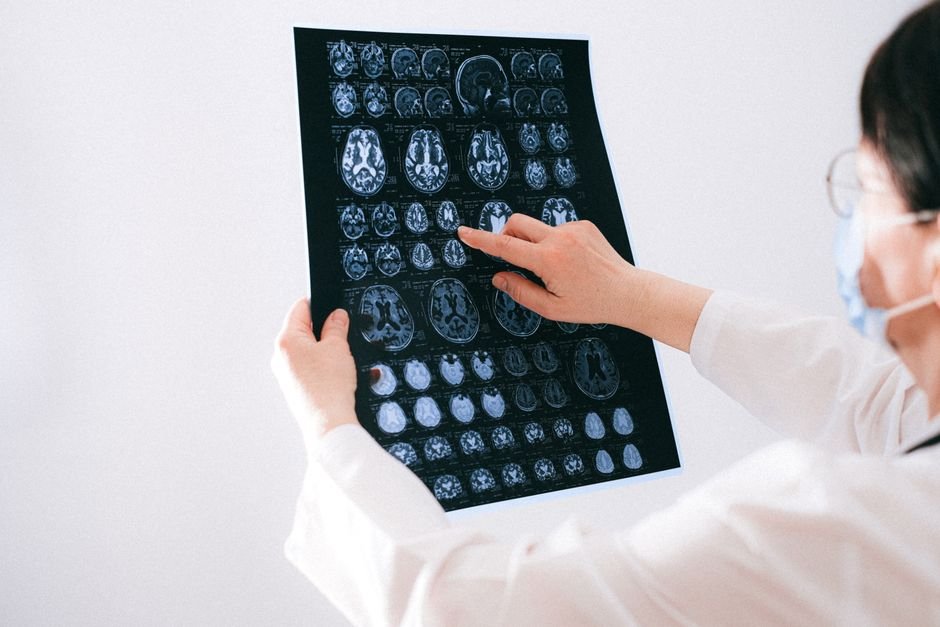
How addictive drugs hijack the brain’s dopamine reward pathway, the difference between central and peripheral nervous system effects, why tolerance and withdrawal happen, and whether the nervous system can recover.